Few home emergencies disrupt daily life as quickly as frozen pipes. When temperatures drop, water inside your plumbing can solidify, expand, and create blockages that stop the flow entirely. In the worst cases, frozen pipes can burst, leading to leaks, flooding, and expensive repairs. Knowing what to do the moment you suspect a frozen pipe can help you minimize damage, restore water service faster, and stay safe during extreme cold.
How to Identify a Frozen Pipe
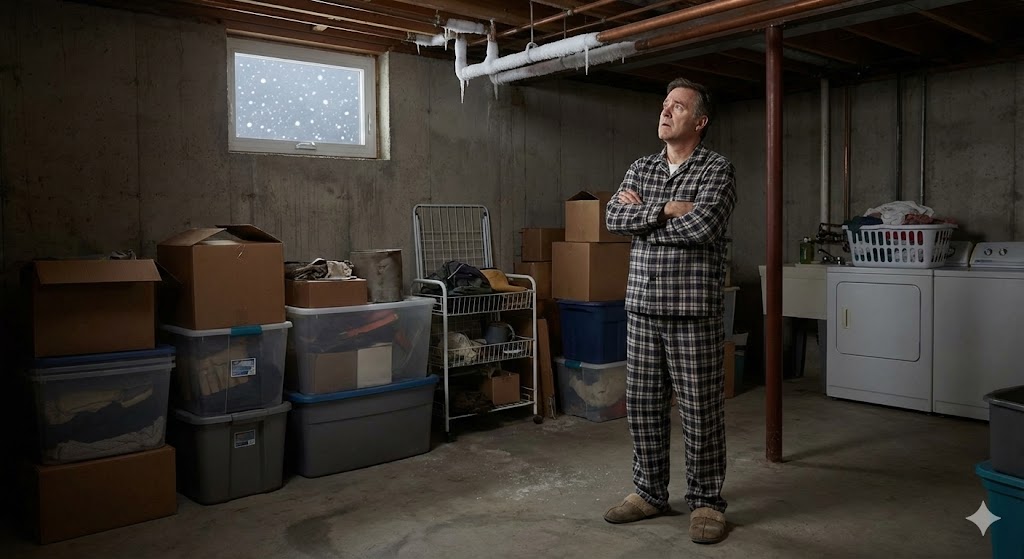
The first sign of trouble is usually reduced or completely halted water flow from a faucet. If water trickles or doesn’t come out at all, the supply line feeding that fixture may be frozen. You might also notice frost on exposed pipes, unusually cold walls or floors near plumbing runs, or strange sounds when turning handles. These symptoms often appear in uninsulated or poorly heated areas, such as attics, basements, crawl spaces, and exterior walls.
Steps to Take Immediately
The moment you suspect a frozen pipe, turn off the water supply to that section of your home if possible. Many homes have shutoff valves for individual fixtures; closing them reduces the risk of water gushing out if the pipe has already cracked. If you can’t locate the source, or if multiple fixtures are affected, shut off the main water supply instead.
Next, open the faucet connected to the frozen line. Allowing even a small amount of flow helps relieve built-up pressure and gives thawing ice somewhere to go. Once the faucet is open, you can begin warming the pipe. This can be done with anything hot, from a hair dryer to a hand warmer, but the pipe should never be warmed with an open flame. Unfortunately, warming the pipe could also lead to leaks which can be hard to deal with when it’s so cold out. We’d recommend calling our team right when you find out the pipe is frozen so we can be prepared to deal with the leak if the thawed pipe bursts.
Patience is essential. Rushing the thawing process can do more harm than good, and if the pipe has already been compromised, heating it too quickly may cause it to burst.
When to Call a Professional Plumber
There are many situations where calling a professional plumber is the safest and most efficient choice. If you cannot locate the frozen section, if your pipes are behind walls or in hard-to-reach areas, or if you suspect the pipe has cracked, expert help is crucial. Professionals have specialized equipment that thaws pipes evenly, identifies hidden damage, and prevents problems from escalating.
During an emergency, a plumber can also assess your system for weaknesses, repair or replace damaged sections, and ensure your water lines are operating safely again. They can advise on insulation, heat tape, or rerouting vulnerable pipes to prevent future freezing episodes. Their experience not only restores water service quickly but also helps protect your home from recurring issues each winter.
Staying Prepared
Frozen pipes are stressful, but quick action and professional support can prevent long-term damage. Understanding the warning signs, taking immediate steps to thaw pipes safely, and knowing when to call a plumber will help you handle cold-weather plumbing emergencies with confidence.
Are your pipes frozen? Call Tom Schaefer Plumbing, Heating & Cooling as soon as possible! Trusted Name, Reliable Service.