Choosing the right water heater is a crucial decision for any homeowner. Hot water is necessary for daily tasks like showering, washing dishes, and doing laundry, so the system you select should meet your household’s needs and energy preferences. Two popular choices are traditional tank water heaters and tankless water heaters.
Both systems deliver reliable hot water, but they function in very different ways. Understanding how each system works can help you choose which option might be the best fit for your home.
How Tank Water Heaters Work
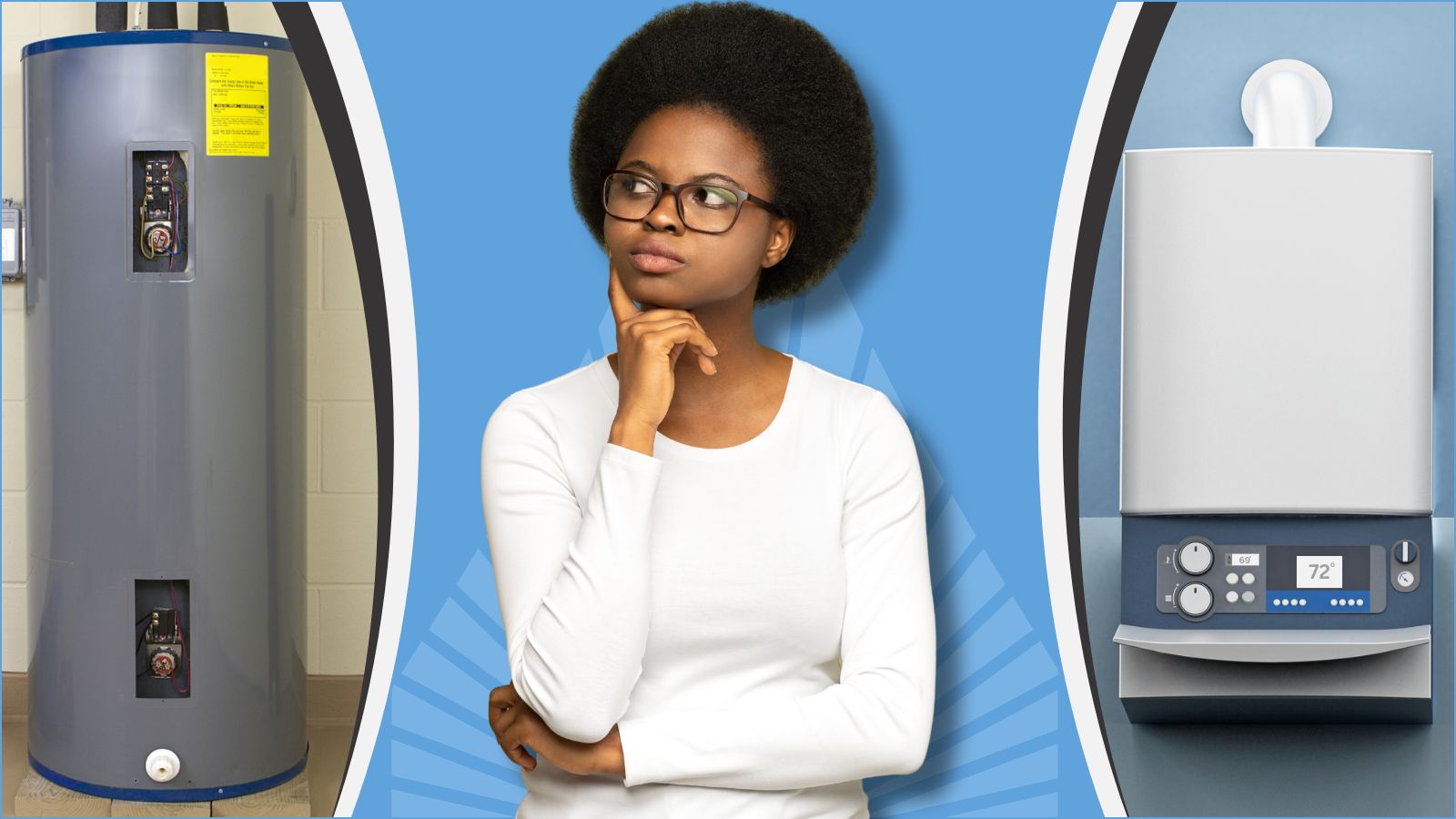
Tank water heaters are the traditional systems used in many homes. These units store hot water in a large, insulated tank, usually ranging from 30 to 80 gallons. The water inside the tank is heated constantly and maintained at a set temperature so it’s ready whenever you need it.
When hot water is used in your home, such as during a shower, heated water leaves the tank and is replaced with cold water from the supply line. The system then reheats the new water to keep the set temperature.
One of the main benefits of tank water heaters is their lower upfront cost. They are typically less expensive to buy and install compared to tankless models. Tank systems are also straightforward and dependable, making them a common choice for many homeowners.
However, tank water heaters can run out of hot water if demand exceeds the tank’s capacity. Once the stored hot water is depleted, the system needs time to heat a new batch, which can cause households to wait for the supply to recover.
How Tankless Water Heaters Work
Tankless water heaters, also known as on-demand water heaters, function differently. Instead of storing hot water in a tank, these systems heat water only when it’s required.
When you turn on a hot water tap, cold water passes through the unit and is heated instantly by either gas burners or electric heating elements. Because water is heated as it flows through the system, tankless units can deliver a continuous supply of hot water.
This design makes tankless systems attractive for households that use a lot of hot water or want to prevent running out during consecutive showers.
Tankless water heaters are also known for their energy efficiency because they only heat water when necessary, avoiding the standby heat loss that tank systems with constant hot water storage have.
Key Differences in Efficiency, Space, and Cost
One major difference between tank and tankless water heaters is energy usage. Tankless systems tend to be more energy efficient because they heat water on demand rather than maintaining a full tank of heated water throughout the day.
Space requirements are another factor. Tank water heaters require a larger footprint to accommodate the storage tank, while tankless units are compact and typically mounted on a wall.
However, tankless water heaters usually have a higher upfront cost. Installation may require electrical upgrades, gas line adjustments, or venting changes, which can increase the initial investment.
Choosing the Right System for Your Home
Our team can evaluate your home’s hot water demands and help determine which system will deliver the best performance, efficiency, and long-term value.
Contact Tom Schaefer Plumbing, Heating & Cooling today. Trusted Name Reliable Service.